Library
The best books on the four-day week and workplace well-being
 Our Book
Osez la semaine de 4 jours !
L'alternative pour allier bien-être et efficacité
par Laurent de la Clergerie
Laurent de la Clergerie recounts how the LDLC Group (over 1,000 employees) moved to a 4-day, 32-hour week in January 2021 with no pay cut. He details the rollout steps and answers the objections executives raise most often.
Buy from :
The four-day week
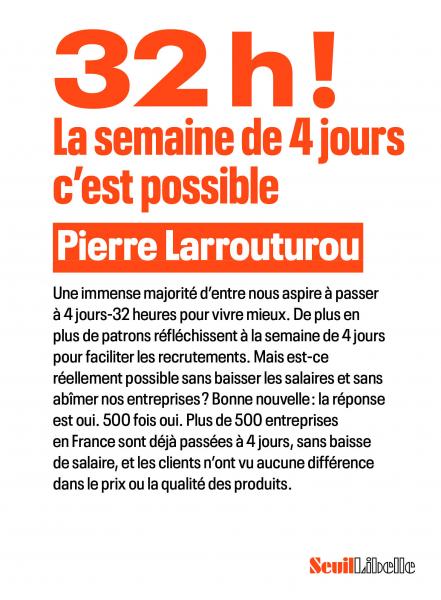
32h ! La semaine de 4 jours, c'est possible
Pierre Larrouturou
Court essai de l'eurodéputé Pierre Larrouturou, défenseur historique de la réduction du temps de travail : plus de 500 entreprises françaises appliquent déjà les 4 jours / 32 heures sans baisse de salaire, et il plaide pour une généralisation.
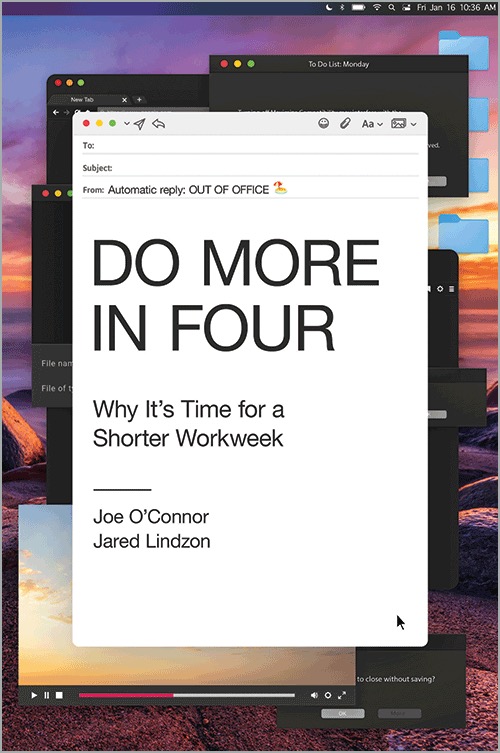
Do More in Four: Why It's Time for a Shorter Workweek
Joe O'Connor & Jared Lindzon
Joe O'Connor, a pioneer of four-day-workweek pilots worldwide, and journalist Jared Lindzon argue for rethinking the traditional work model in the AI era. Drawing on research, interviews, and case studies from New Zealand, Canadian and US companies, they show gains in employee satisfaction alongside revenue growth.
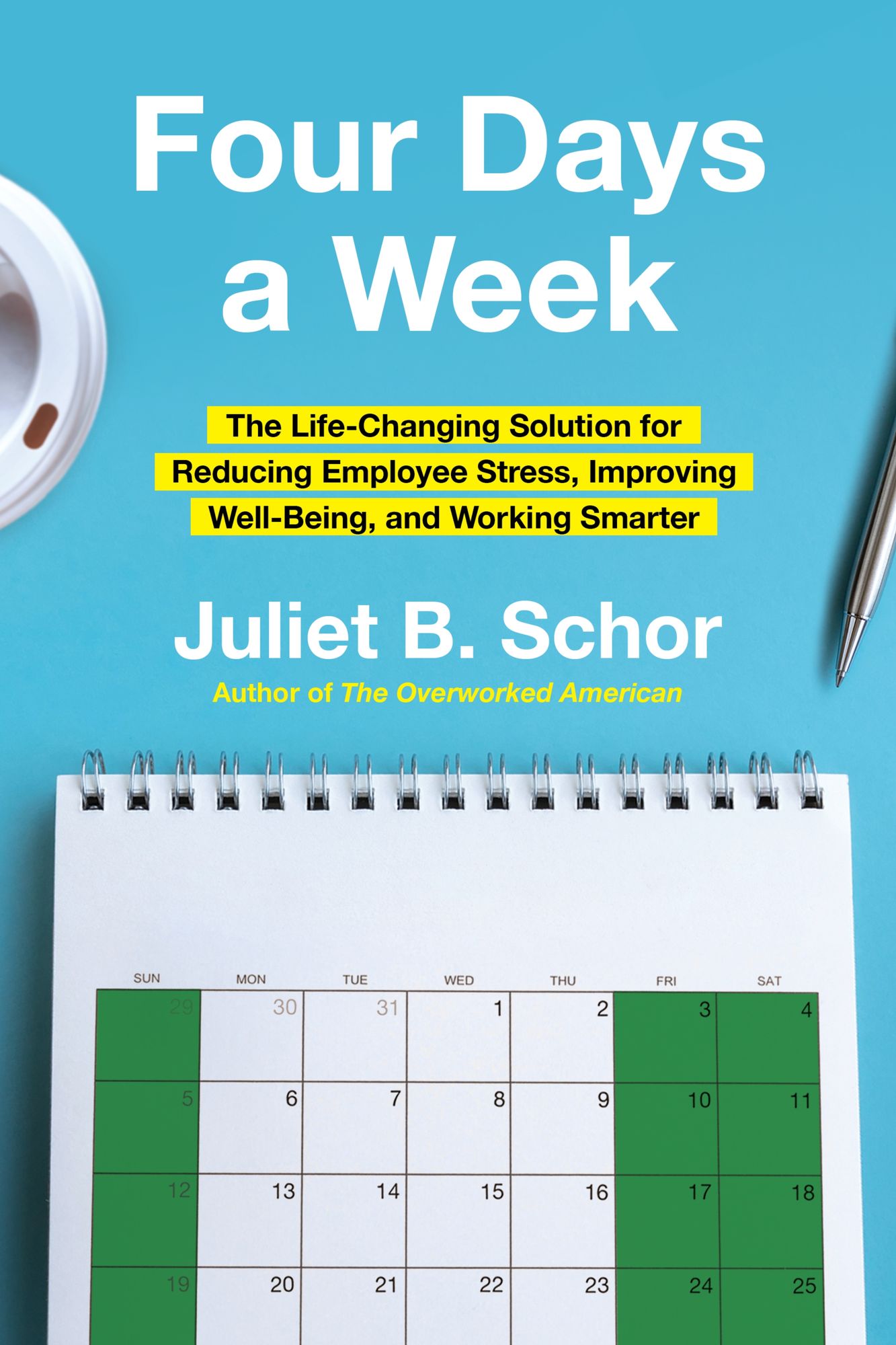
Four Days a Week: The Life-Changing Solution for Reducing Employee Stress, Improving Well-Being, and Working Smarter
Juliet Schor
Economist and sociologist Juliet Schor, who led the largest international study of the four-day week (245 organizations, ~8,700 employees, 6 countries, 4 Day Week Global trials), documents the results of the "100-80-100" model.
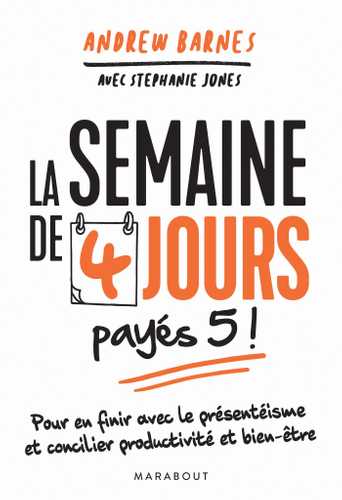
La semaine de 4 jours (payés 5 !)
Andrew Barnes, avec Stephanie Jones
Andrew Barnes relate l'expérimentation menée en 2018 dans son entreprise néo-zélandaise Perpetual Guardian : 4 jours payés 5, à productivité constante (modèle « 100-80-100 »). Le livre en tire une méthode de mise en œuvre pour d'autres entreprises.
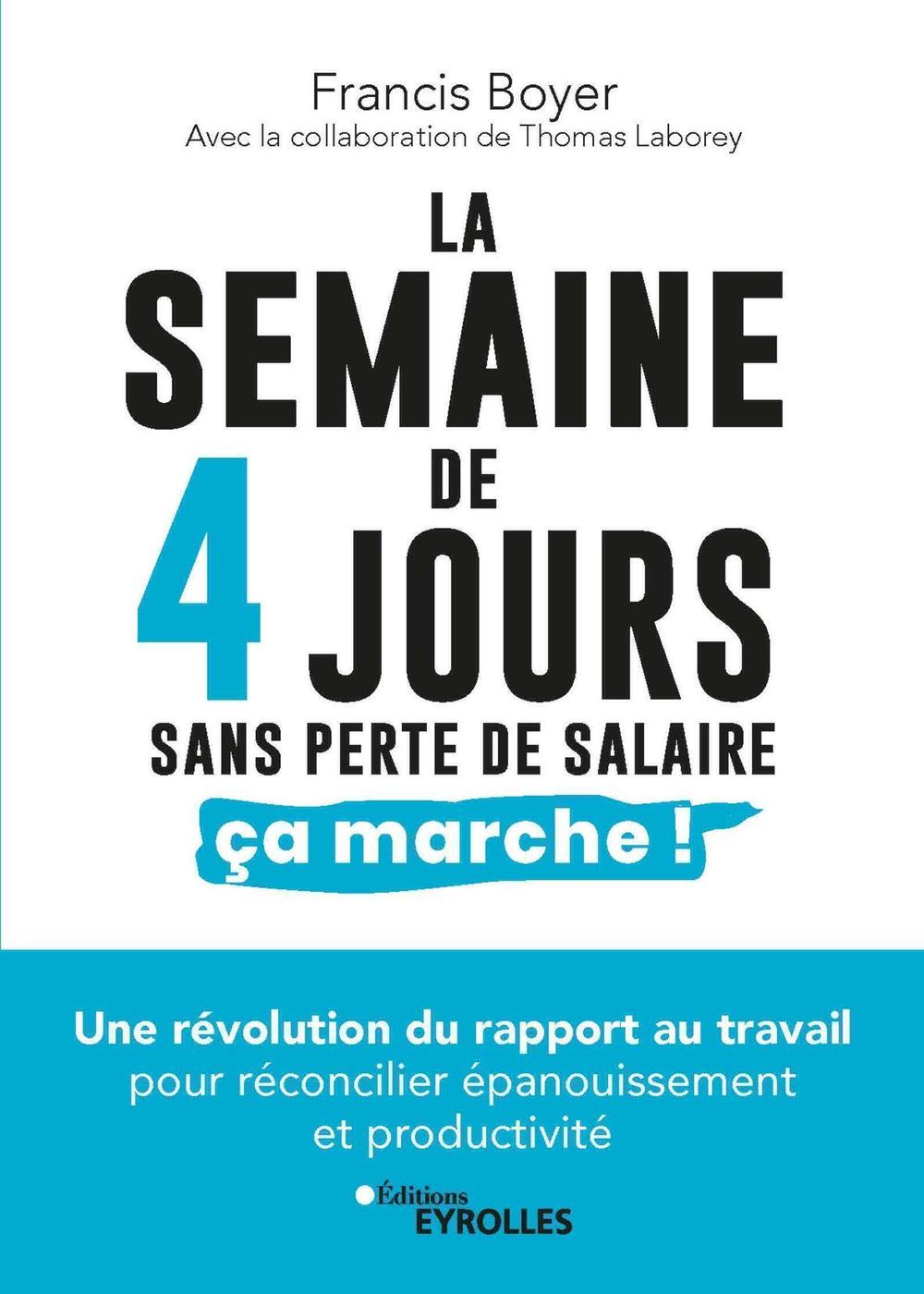
La semaine de 4 jours, sans perte de salaire, ça marche !
Francis Boyer et Thomas Laborey
Enquête de deux experts en innovation managériale auprès d'entreprises françaises passées à la semaine de 4 jours sans réduction de salaire : principes de mise en œuvre, facteurs de succès et pièges à éviter.
La semaine de 4 jours. Pour une révolution du temps
Jean-Claude Rennwald
Jean-Claude Rennwald, a former Swiss trade unionist (USS, FTMH/Unia) and National Councillor, traces the history of the four-day week within nearly two centuries of labor-movement struggle. He examines its concrete effects on jobs, family life, environment, and gender equality.
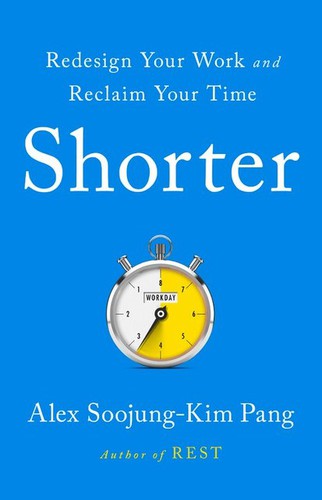
Shorter: Work Better, Smarter, and Less — Here's How
Alex Soojung-Kim Pang
Pang, futurologue de la Silicon Valley, a étudié une centaine d'entreprises dans le monde ayant réduit leur temps de travail sans baisse de salaire : méthodes (réunions raccourcies, travail en profondeur) et résultats observés sur la productivité et la fidélisation. (En anglais, pas de traduction française.)
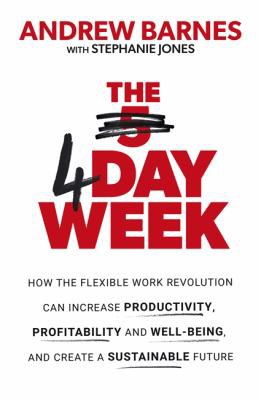
The 4 Day Week
Andrew Barnes & Stephanie Jones
Version originale (en anglais) de l'ouvrage fondateur d'Andrew Barnes, à l'origine de l'expérimentation Perpetual Guardian en Nouvelle-Zélande. Il pose le cadre du modèle « 100-80-100 » (100 % du salaire, 80 % du temps, 100 % de la productivité) et en fait un plaidoyer chiffré pour la semaine de 4 jours.
Well-being at work

Happy RH
Laurence Vanhée
Laurence Vanhée, première « Chief Happiness Officer » d'un ministère belge, montre par l'expérience que le bonheur au travail n'est pas un luxe mais un levier de performance : liberté, responsabilité et confiance au service d'une organisation plus rentable et plus durable.

Le Travail invisible
Pierre-Yves Gomez
Pierre-Yves Gomez enquête sur la part invisible du travail — l'effort réel, subjectif et collectif — que la financiarisation de l'économie a rendue illisible. Un essai qui réhabilite le travail vécu et interroge sa reconnaissance dans l'entreprise contemporaine.
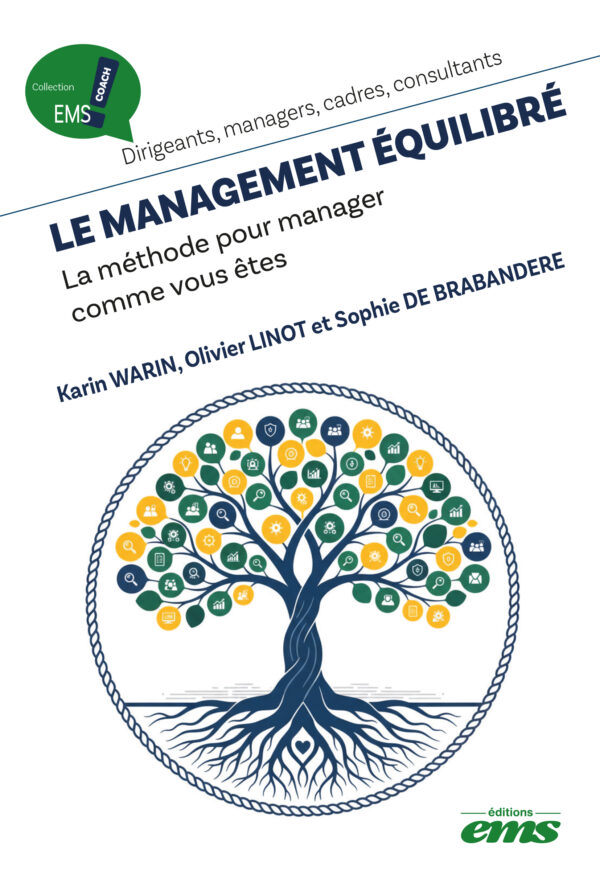
Le management équilibré. La méthode pour manager comme vous êtes
Karin Warin, Olivier Linot & Sophie De Brabandere
Karin Warin, Olivier Linot and Sophie De Brabandere present a field-tested management method, starting from the observation of very low workplace engagement in France (4.5% per Gallup 2024). Their approach adjusts the work ecosystem to each person's own rhythm.
Mental health & workplace suffering

Arrêtez de vous épuiser : 90 jours pour apprendre la récupération psychologique
Matthieu Poirot
Matthieu Poirot, an occupational psychologist and consultant, shows why recovery — a subject still largely taboo in the workplace — is as essential to sustainable performance as effort itself. The book helps readers build a personalized 90-day action plan to prevent burnout.
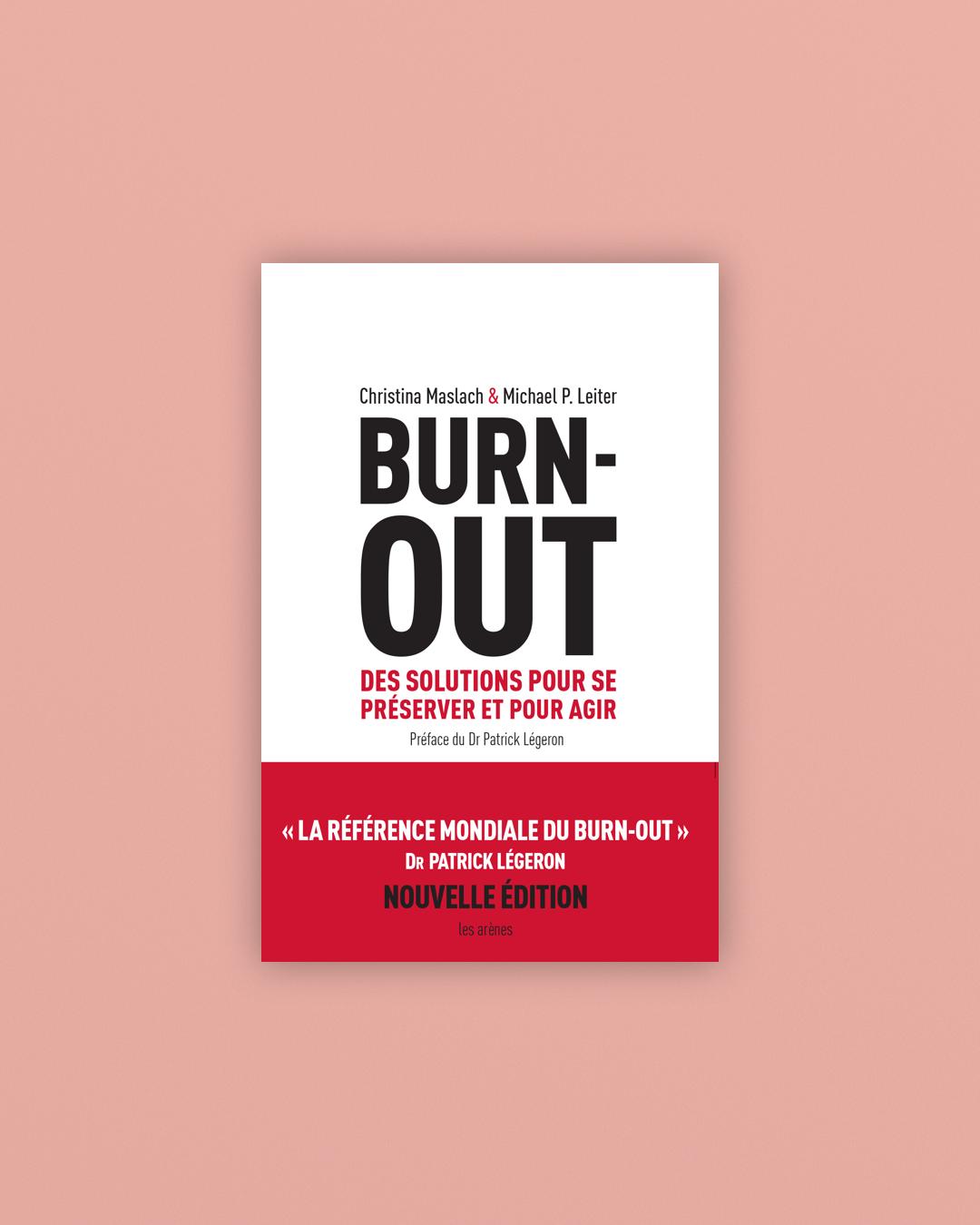
Burn-out : des solutions pour se préserver et pour agir
Christina Maslach & Michael Leiter
Christina Maslach, who created the Maslach Burnout Inventory used worldwide, explains with Michael Leiter how the work environment depletes employees' vital resources — a phenomenon affecting roughly 10% of the working population. Lack of autonomy, recognition, and a sense of injustice weigh as much as workload itself.

Ils ne mouraient pas tous mais tous étaient frappés
Marie Pezé
Marie Pezé documents thirteen years of clinical consultations at the "Souffrance et Travail" practice in Nanterre through the stories of patients confronted with workplace hyper-productivity. The book calls for rethinking how work is organized.

Le harcèlement moral : la violence perverse au quotidien
Marie-France Hirigoyen
A psychiatrist and psychotherapist, Marie-France Hirigoyen documents the mechanisms of narcissistic perversion and moral harassment, within couples, families or the workplace. She shows how insidious behavior can destroy a person as surely as physical violence.
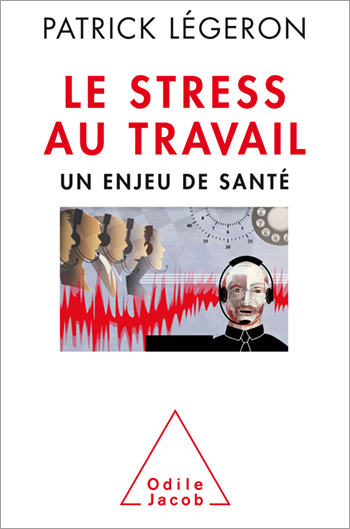
Le stress au travail : un enjeu de santé
Patrick Légeron
Patrick Légeron takes stock of workplace stress fifteen years after his first landmark book on the subject, examining how this mechanism has become a genuine risk to employees' physical and mental health. He details concrete strategies for preventing work-related burnout.

Le travail à cœur : pour en finir avec les risques psychosociaux
Yves Clot
Yves Clot, an occupational psychologist, examines the surge in work-related illnesses and psychosocial risks drawing on years of field experience. He shows that suffering does not stem from work itself but from being prevented from doing it well.
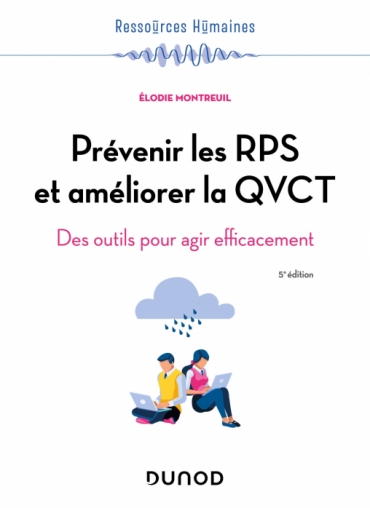
Prévenir les RPS et améliorer la QVCT. Des outils pour agir efficacement (5e éd.)
Élodie Montreuil
Élodie Montreuil documents the prevention of psychosocial risks (workplace stress, internal violence, burnout) that threaten employee health and company performance. This 5th edition details every stage of an effective prevention approach.
Liberated companies
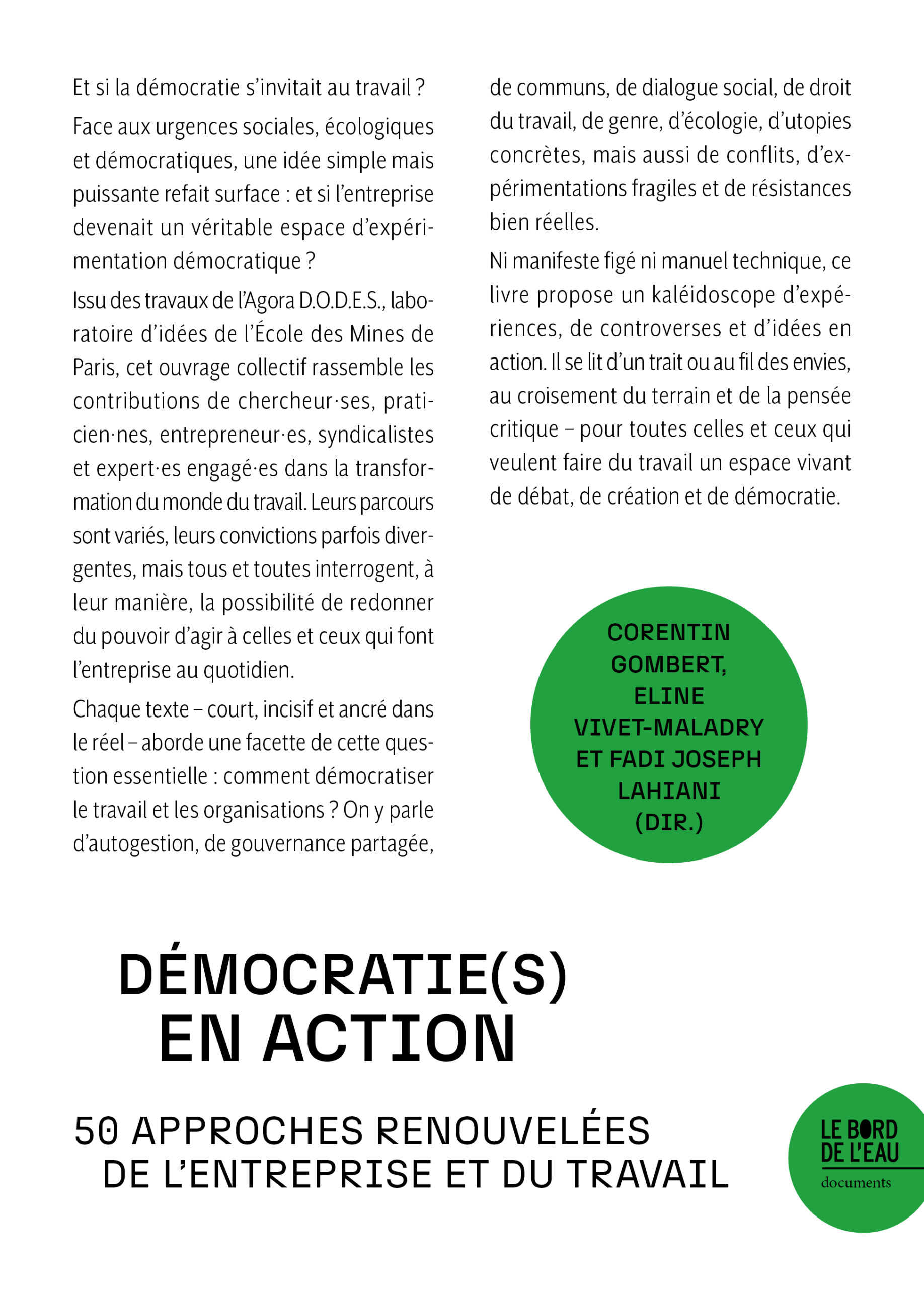
Démocratie(s) en action. 50 approches renouvelées de l'entreprise et du travail
Corentin Gombert, Éline Vivet-Maladry & Fadi Joseph Lahiani (dir.)
This collective work, edited by Corentin Gombert, Éline Vivet-Maladry and Fadi Joseph Lahiani, gathers 50 contributions from researchers, practitioners, entrepreneurs and trade unionists on the democratization of work.
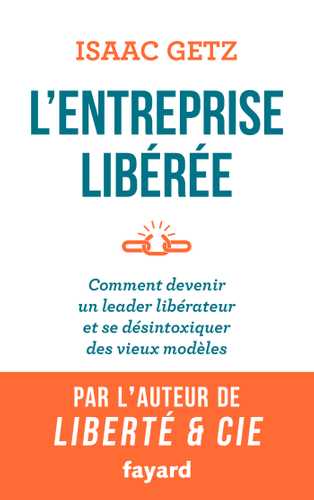
L'Entreprise libérée
Isaac Getz
Suite et approfondissement de « Liberté & Cie ». Isaac Getz détaille la posture du « leader libérateur » et la manière de se défaire des modèles de commandement-contrôle, avec de nombreux cas d'entreprises françaises et internationales.
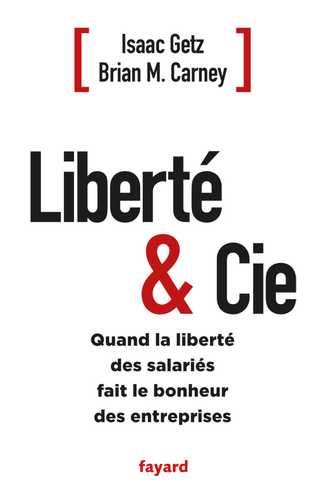
Liberté & Cie
Isaac Getz & Brian Carney
Le livre qui a popularisé le concept d'« entreprise libérée ». Isaac Getz et Brian Carney y racontent des entreprises qui ont supprimé le contrôle hiérarchique au profit de la liberté et de la responsabilité des salariés, avec à la clé engagement et performance.
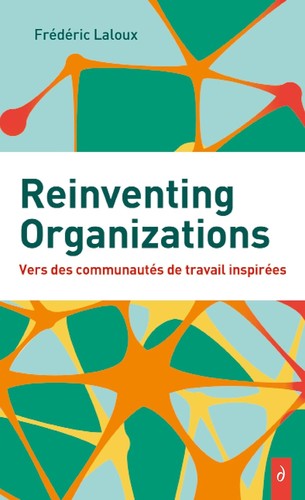
Reinventing Organizations
Frédéric Laloux
Frédéric Laloux décrit l'émergence d'un nouveau paradigme organisationnel (les organisations « Opale ») fondé sur l'autogouvernance, la plénitude et la raison d'être évolutive. Un ouvrage devenu incontournable des nouvelles formes de travail.
Management & organisation
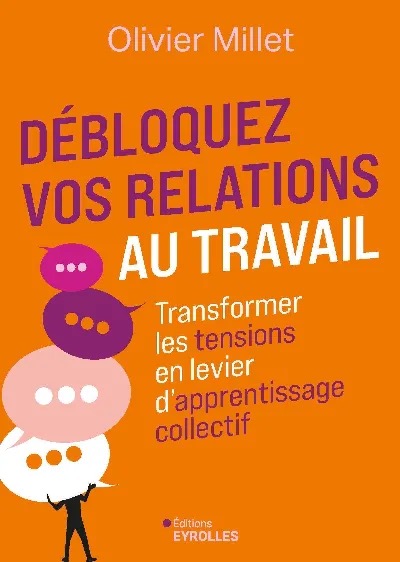
Débloquez vos relations au travail. Transformer les tensions en levier d'apprentissage collectif
Olivier Millet
Drawing on more than twenty years supporting leaders and teams facing persistent relational tensions, Olivier Millet shows how accumulating silences and misunderstandings become entrenched within organizations. He offers an approach for turning these blockages into levers for collective learning.
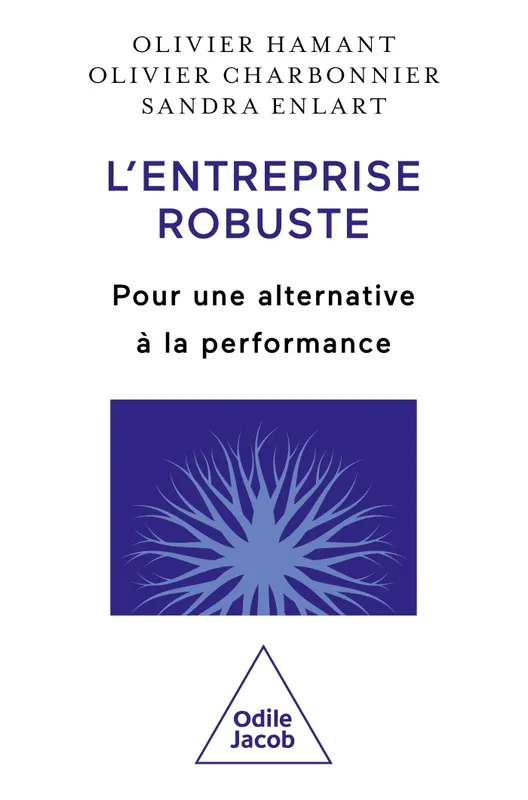
L'Entreprise robuste
Olivier Hamant, Olivier Charbonnier & Sandra Enlart
Biologist Olivier Hamant and organizational experts Sandra Enlart and Olivier Charbonnier propose drawing inspiration from living systems to rethink the company beyond the sole pursuit of performance, outlining a third way between economic collapse and illusory green growth.
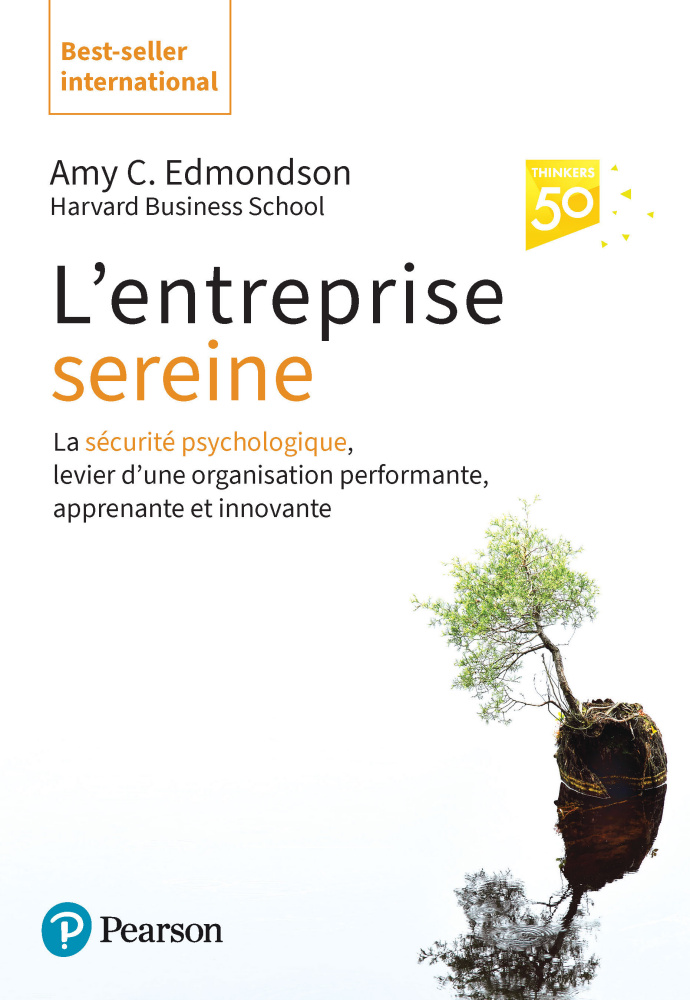
L'entreprise sereine
Amy C. Edmondson
Amy C. Edmondson, a researcher at Harvard Business School, explores psychological safety as the key ingredient of innovative, humane, and resilient teams, showing how to build a culture where people dare to voice ideas without fear.
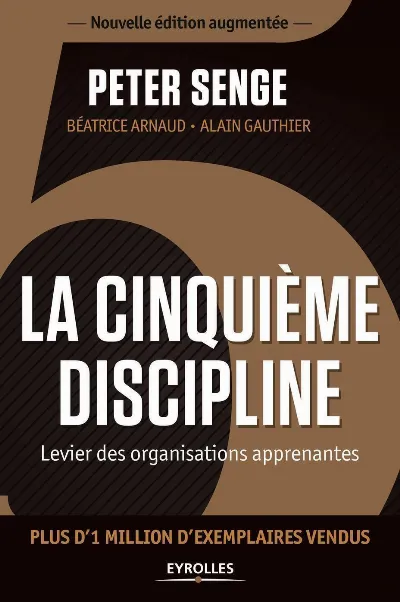
La Cinquième Discipline
Peter Senge
Peter Senge, a professor at MIT, develops the idea that an organization's sustainable competitive advantage lies in its ability to learn faster than its competitors, built around five complementary disciplines. A management classic with over a million copies sold.
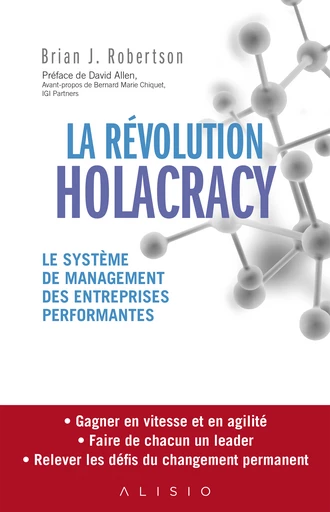
La révolution Holacracy
Brian J. Robertson
Brian J. Robertson, the creator of Holacracy, presents this structured management system that distributes decision-making power based on work roles rather than hierarchical titles, replacing disorganized meetings and rigid hierarchy with distributed decision-making.
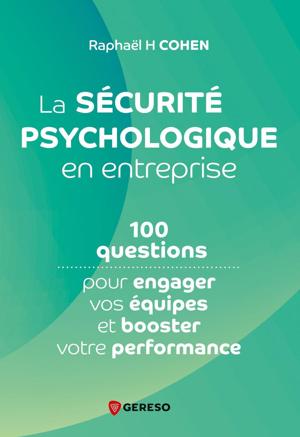
La sécurité psychologique en entreprise. 100 questions pour engager vos équipes et booster votre performance
Raphaël H. Cohen
Raphaël H. Cohen unpacks the paradox of companies that talk more than ever about well-being while their employees feel increasingly unheard and exhausted. Through 100 deliberately uncomfortable questions, he shows that psychological safety must be built through structures and institutional courage, not good intentions alone.
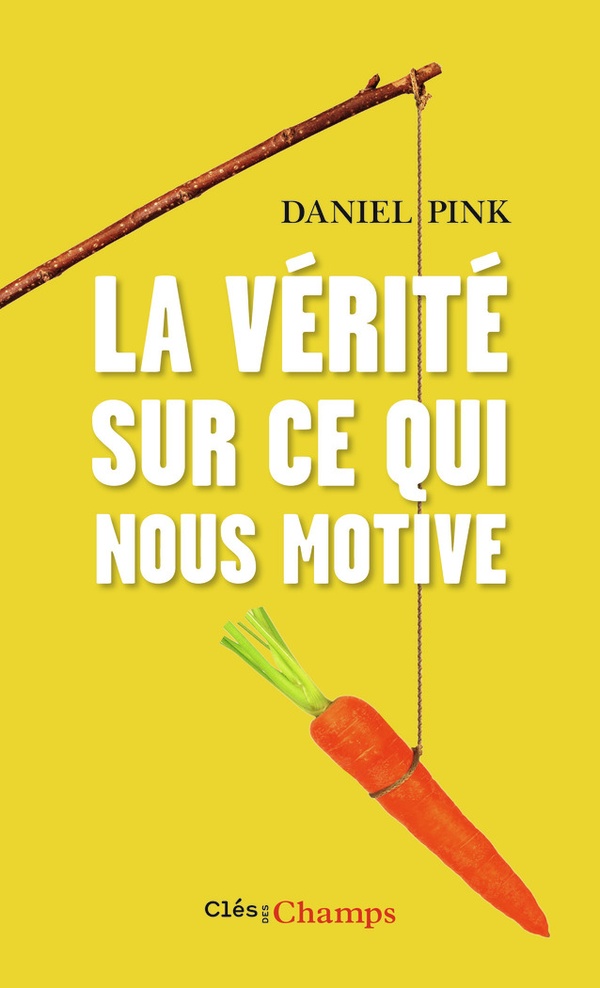
La vérité sur ce qui nous motive
Daniel H. Pink
Daniel H. Pink shows, backed by scientific studies and business examples, that the punishment/reward model inherited from Taylorism is outdated for explaining performance at work. He identifies three deep drivers of human motivation: autonomy, mastery, and purpose.
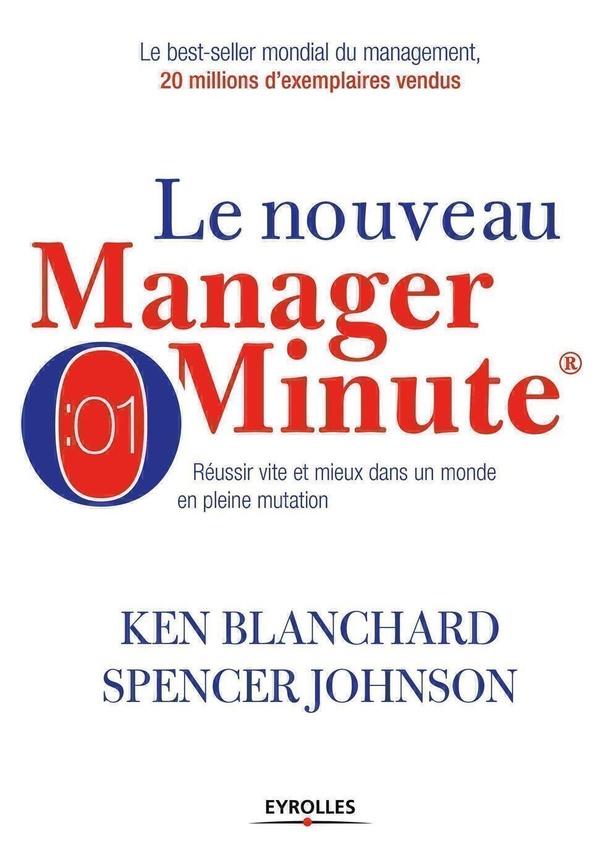
Le Nouveau Manager Minute
Ken Blanchard & Spencer Johnson
Ken Blanchard and Spencer Johnson offer, in the form of an allegory that has become a management classic sold in more than 20 million copies, a simple method for managing effectively. This revised edition champions a more collaborative approach.
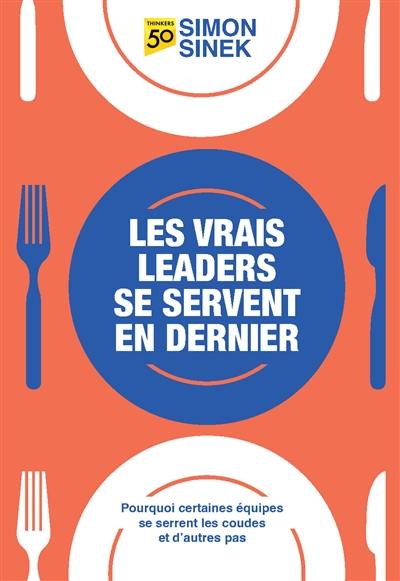
Les Vrais leaders se servent en dernier
Simon Sinek
Simon Sinek explores why some teams pull together in full trust of their leader, while others fracture under pressure, showing that a benevolent work environment driven by an exemplary leader allows teams to achieve remarkable performance.
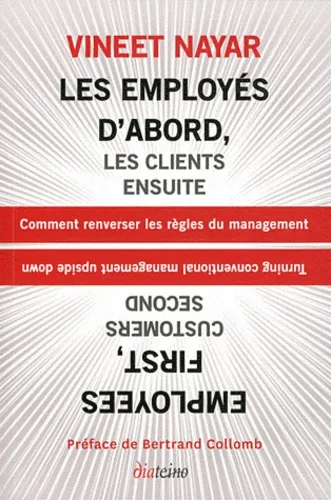
Les employés d'abord, les clients ensuite
Vineet Nayar
Vineet Nayar, dubbed the "father of trust-based management," recounts how he inverted HCL Technologies' management pyramid to put leadership at the service of employees. His culture of transparency, built from 2005 onward, helped triple the company's revenue in under four years.
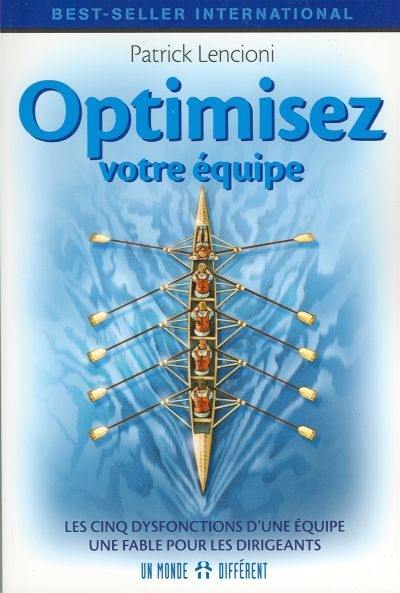
Optimisez votre équipe : les cinq dysfonctions d'une équipe
Patrick Lencioni
Told as a management fable, Patrick Lencioni follows Kathryn Petersen, DecisionTech's new CEO, confronting an executive team plagued by discord. The author identifies five recurring dysfunctions that keep even the best teams from succeeding, and offers a practical model to overcome them.
Work-life balance
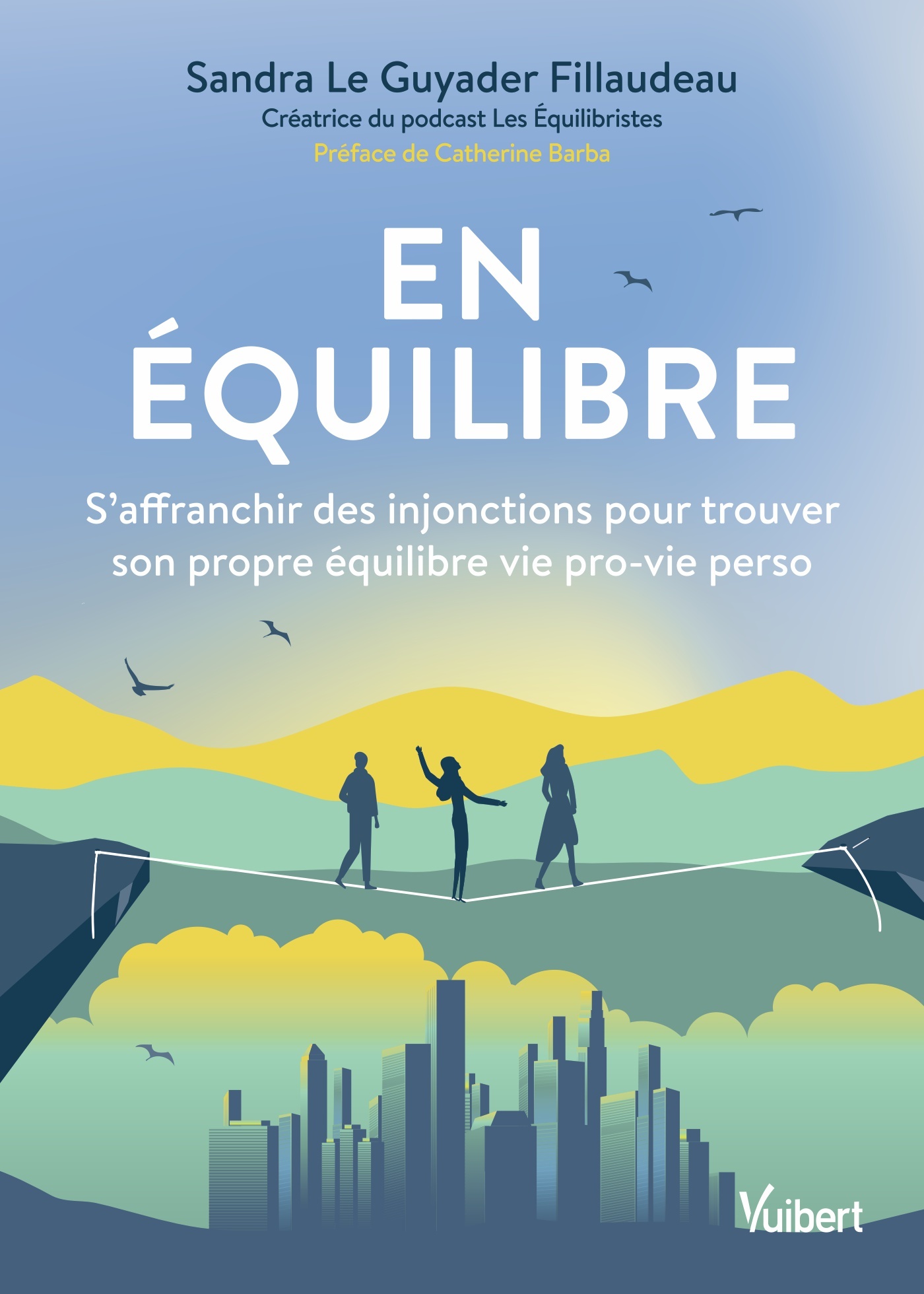
En équilibre. S'affranchir des injonctions pour trouver son propre équilibre vie pro-vie perso
Sandra Le Guyader-Fillaudeau
Sandra Le Guyader-Fillaudeau, a certified coach and founder of Conscious Cultures, challenges the myth of a perfect, fixed work-life balance, presenting it instead as a dynamic process of constant adjustment. She explores four deep aspirations behind the search for balance.
Et si je changeais de métier ? (Re)donner du sens à son travail
Charlotte Desrosiers Natral

L'art de la simplicité
Dominique Loreau
Having lived in Japan for over thirty years, Dominique Loreau documents the art of living with less through Eastern philosophies: decluttering one's home, giving up compulsive buying, eating more simply, and caring for body and mind alike.

La parentalité en entreprise expliquée à mon boss
Tiphaine Mayolle
Tiphaine Mayolle documents the growing role of parenthood in corporate strategic concerns, a topic long sidelined until the 2020 health crisis pushed it to the forefront. The book helps managers and executives concretely address workplace parenthood.

LeaderKiff — Réconcilier ambition et équilibre
Caroline Poissonnier
Caroline Poissonnier, co-director of Groupe Baudelet, tackles the taboo of leaders' mental health, pressured to appear invulnerable even though loneliness and exhaustion often lie behind success. She offers a concrete method for reconciling high ambition with well-being.

Lâche ton téléphone ! Programme de détox digitale
Catherine Price
Catherine Price examines smartphone addiction and its concrete effects on sleep, concentration, and stress levels. She offers a two-step program — awareness, then a four-week detox — to regain control of digital habits without giving up the phone altogether.
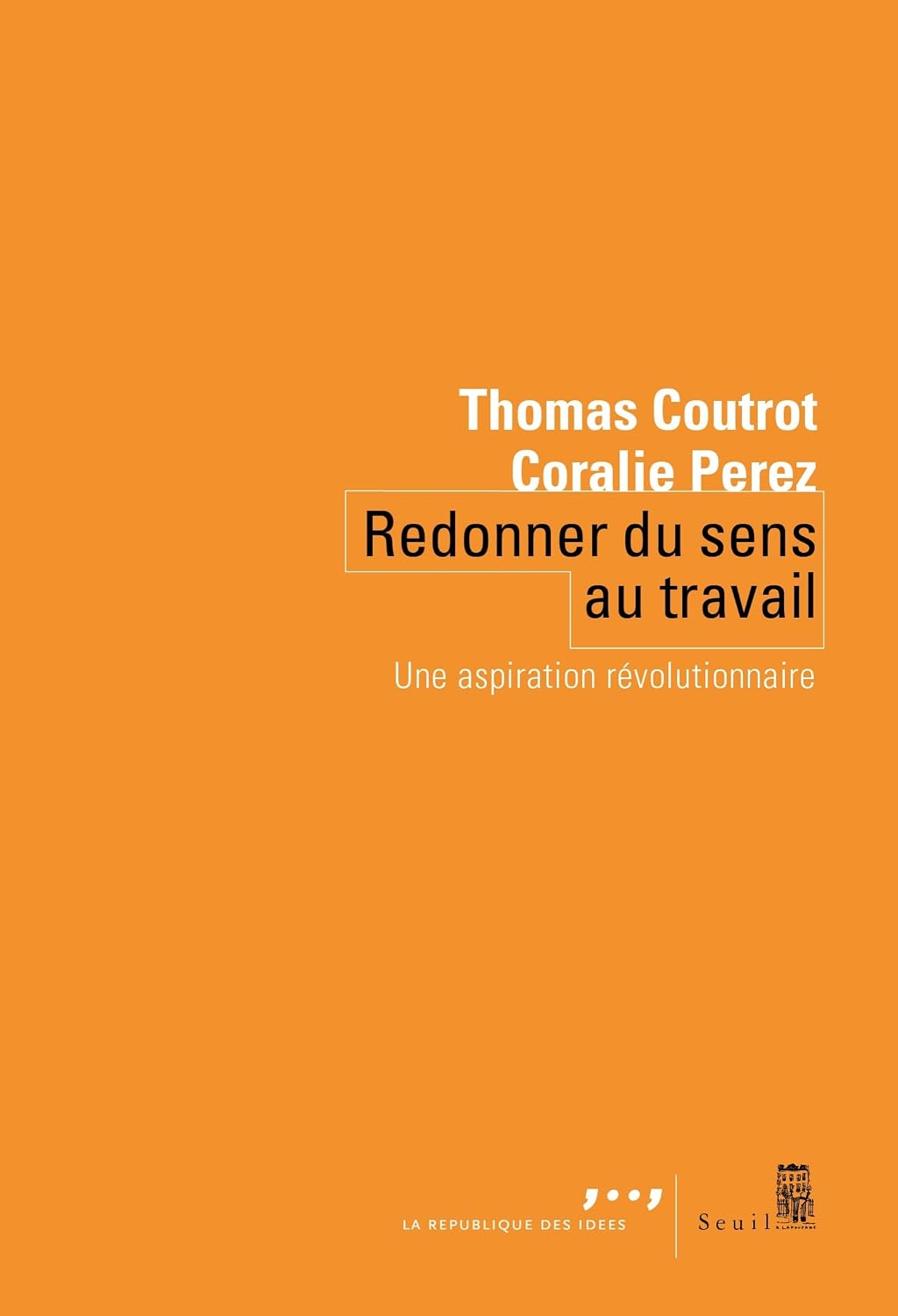
Redonner du sens au travail. Une aspiration révolutionnaire
Thomas Coutrot & Coralie Perez
Thomas Coutrot and Coralie Perez document the crisis of meaning running through the world of work: chain resignations, rejection of bullshit jobs, even as management by numbers has taken over both the private sector and public administration.

Se libérer du syndrome de l'imposteur
Kevin Chassangre & Stacey Callahan
Kevin Chassangre and Stacey Callahan, both clinical psychologists, unpack impostor syndrome — the feeling of not deserving one's achievements and the fear of being "found out." They guide readers toward unconditional self-acceptance rather than a permanent need for validation through performance.
Company experiences
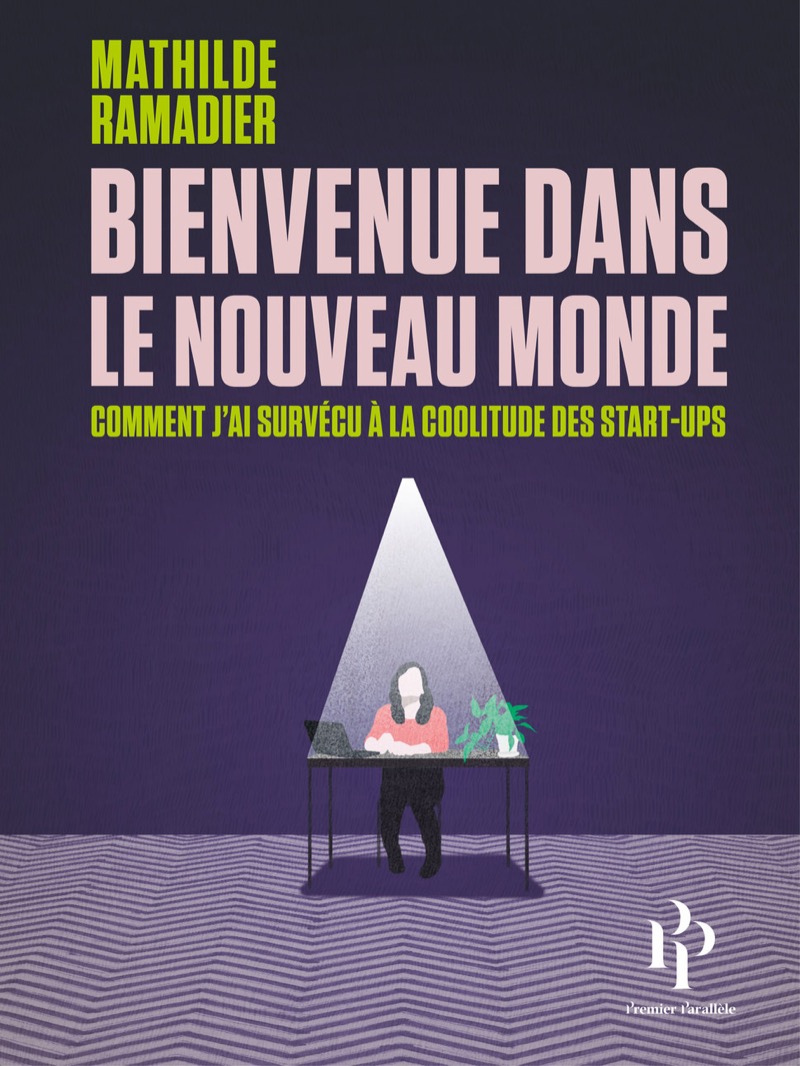
Bienvenue dans le nouveau monde
Mathilde Ramadier
Contrepoint critique salutaire : Mathilde Ramadier raconte l'envers du « bien-être » de façade des start-ups berlinoises (baby-foot, novlangue managériale, précarité déguisée). Un rappel que la qualité de vie au travail ne se décrète pas par les apparences.

Confessions d'un entrepreneur pas comme les autres
Yvon Chouinard
Le fondateur de Patagonia raconte comment il a bâti une entreprise fidèle à ses valeurs écologiques et humaines, où la qualité de vie des salariés (« laissez mes gens aller surfer ») fait partie du modèle. Un manifeste d'entrepreneuriat responsable.
À contre-courant
Ricardo Semler
Le récit culte de Ricardo Semler à la tête de Semco (Brésil) : une entreprise gérée sans organigramme rigide, où les salariés fixent leurs horaires et parfois leurs salaires. Un cas pionnier et radical de démocratie d'entreprise (souvent disponible en occasion).
Tips & productivity

Comment se faire des amis
Dale Carnegie
Dale Carnegie, a world reference in communication and leadership training, offers in this personal-development classic concrete advice for building quality relationships: inspiring goodwill, getting ideas across, motivating and correcting others without damaging a working relationship.
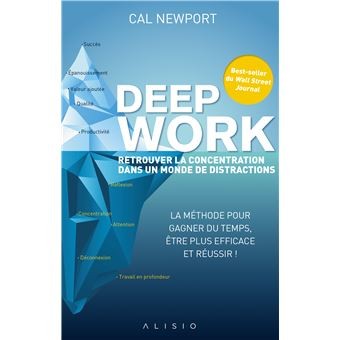
Deep Work
Cal Newport
Cal Newport défend le « travail en profondeur » : la capacité à se concentrer sans distraction sur une tâche cognitivement exigeante. Il en fait une compétence rare et précieuse, et propose des méthodes concrètes pour la cultiver — clé d'une productivité soutenable.
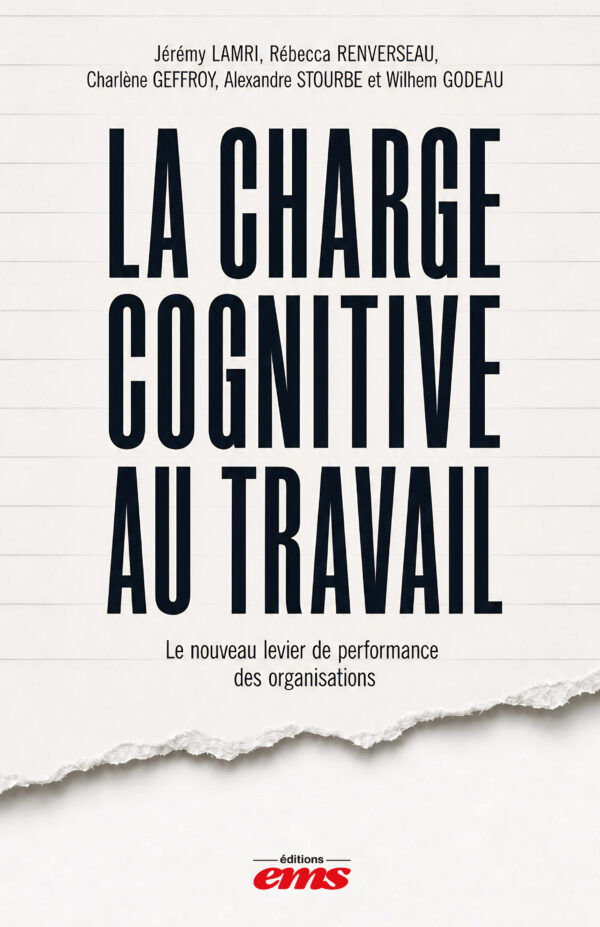
La charge cognitive au travail. Le nouveau levier de performance des organisations
Jérémy Lamri, Rébecca Renverseau, Charlène Geffroy, Alexandre Stourbe & Wilhem Godeau
Jérémy Lamri, Rébecca Renverseau, Charlène Geffroy, Alexandre Stourbe, and Wilhem Godeau explore cognitive overload at work through cognitive science, psychology, management, and foresight. They show that mental fatigue and loss of clarity are not individual weaknesses but signals of work environments incompatible with the brain's biological limits.
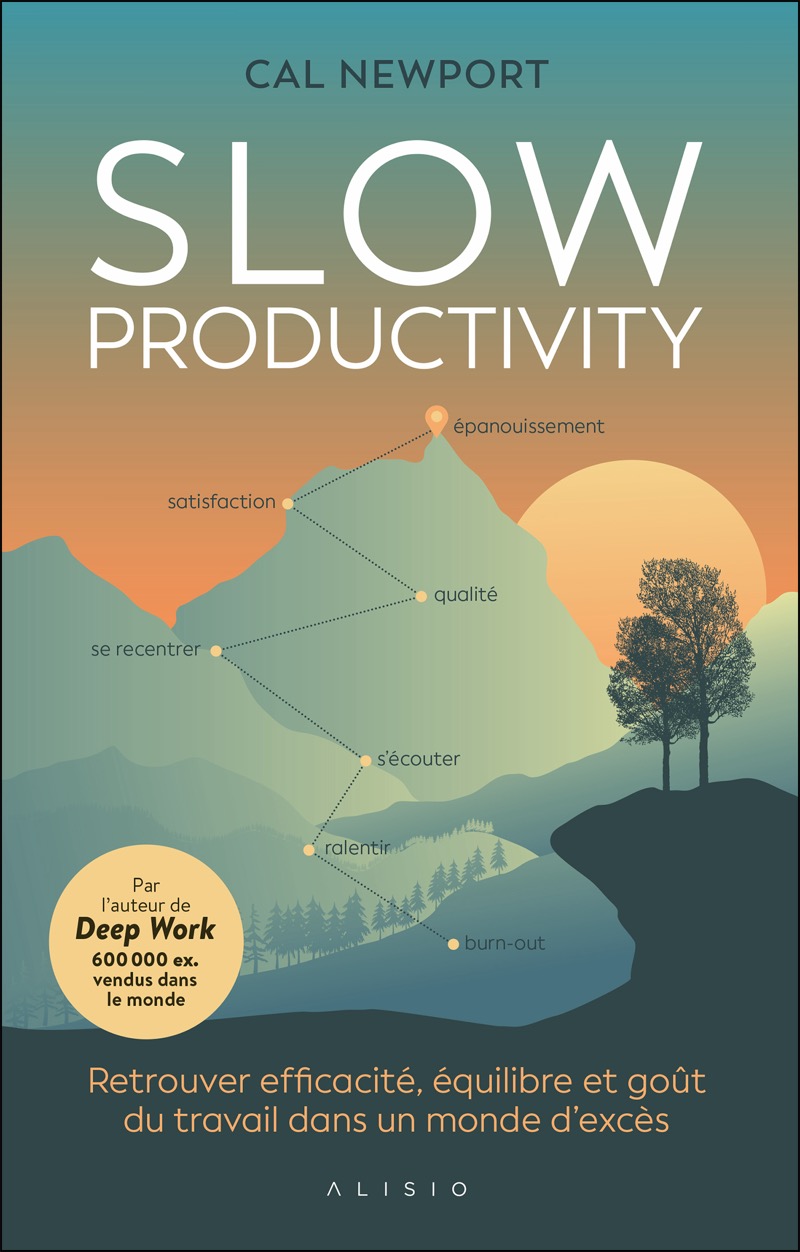
Slow Productivity
Cal Newport
Dans la lignée de « Deep Work », Cal Newport propose la « productivité lente » : faire moins de choses, à un rythme naturel, en visant la qualité. Un antidote à la surcharge et à l'épuisement, aligné avec la philosophie de la semaine de 4 jours.
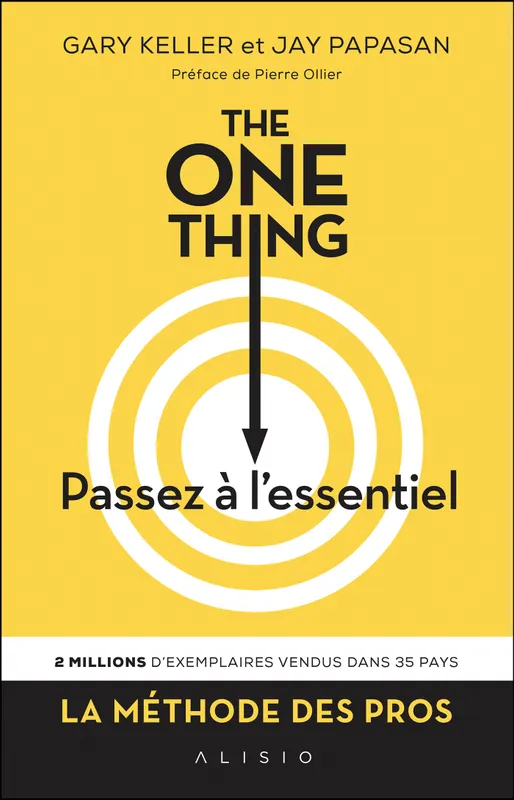
The One Thing — Passez à l'essentiel !
Gary Keller & Jay Papasan
Gary Keller and Jay Papasan argue that amid constant demands on our attention, the key to success is not doing everything at once but identifying THE one most important thing at any given moment and fully committing to it.
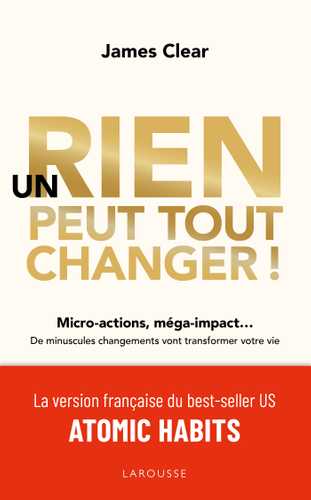
Un rien peut tout changer
James Clear
James Clear explores why attempts to change habits most often fail because of the method used, not a lack of personal willpower. Drawing on biology, psychology, and neuroscience, he shows how tiny daily adjustments produce lasting transformation.